How to Properly Brush Your Dog’s Coat at Home
Regular brushing is a fundamental aspect of maintaining a dog’s overall coat health and comfort. Beyond removing loose hair and debris, brushing distributes natural oils, stimulates the skin, and provides an opportunity to check for abnormalities such as lumps, parasites, or skin irritations. The approach to brushing depends largely on the dog’s coat type, as different textures and lengths require specific tools and handling techniques. Understanding these variations helps owners develop a routine that supports their dog’s well-being while minimizing stress for both the pet and the handler.
Many owners observe that consistent brushing reduces the amount of hair shed around the home and helps prevent mats from forming. However, the effectiveness of a grooming session relies on selecting appropriate tools and applying methods suited to the dog’s individual coat. Factors such as coat thickness, curl pattern, and skin sensitivity influence which techniques are most beneficial. This article provides an overview of coat types, recommended tools, and step-by-step processes for brushing at home, with the goal of supporting owners in making informed decisions about their grooming practices.
While no single method guarantees a completely tangle-free or low-shedding coat, a structured routine can improve coat condition over time. The following sections explore the key variables involved in home brushing, from identifying coat structure to executing a gentle, thorough session.
Understanding Your Dog’s Coat Type
Dogs exhibit a wide range of coat types, each with distinct grooming requirements. The most common categories include short smooth coats, double coats, long silky coats, curly or wavy coats, and wire coats. Short smooth coats, such as those seen on Beagles or Boxers, lie close to the body and shed moderately. They typically require a simple brushing routine using a soft bristle brush or grooming mitt to remove loose hair and stimulate the skin. Double-coated breeds, such as Golden Retrievers or Huskies, have a dense undercoat beneath a longer topcoat. This type benefits from an undercoat rake or de-shedding tool to remove loose fur from the underlayer, especially during seasonal shedding periods.
Long and silky coats, common in breeds like Yorkshire Terriers or Shih Tzus, are prone to tangling and matting. These coats require frequent brushing with a pin brush and a metal comb to detangle and maintain smoothness. Curly or wavy coats, such as those of Poodles or Bichon Frises, have hair that grows continuously and mats easily if not brushed regularly. A slicker brush and a wide-tooth comb are often used to work through curls without breaking the hair. Wire coats, found in breeds like the Schnauzer, have a harsh, textured outer layer that benefits from a stripping knife or a firm bristle brush to remove dead hair. Identifying the correct coat type allows owners to select tools that address the specific characteristics of their dog’s fur.
Choosing the Right Brushing Tools
The market offers a variety of grooming tools, each designed for particular coat textures and grooming objectives. Slicker brushes feature fine, closely spaced wires that are effective for removing tangles, loose undercoat, and debris from medium to long coats. They are particularly useful for curly and double-coated breeds, but should be used with light pressure to avoid skin irritation. Pin brushes, with rounded tips and widely spaced pins, work well for long, silky coats and for finishing touches after detangling. Bristle brushes have natural or synthetic bristles and are best suited for short, smooth coats or for polishing the topcoat of longer-haired dogs.
Undercoat rakes and de-shedding tools have specially designed blades that penetrate the topcoat to gently remove loose undercoat without cutting the hair. These tools are valuable for double-coated breeds and can significantly reduce the amount of shed hair when used during peak shedding seasons. Metal combs with varying tooth spacing help in checking for mats and removing small tangles, especially around sensitive areas like the ears, tail, and legs. For severely matted areas, a dematting comb or mat splitter may be needed, though extreme caution is necessary to prevent cutting the skin. Many owners find that having a combination of tools allows them to address different coat conditions as they arise. Tail Waggers offers a range of grooming supplies suitable for various coat types, though owners should evaluate their dog’s specific needs before purchasing equipment.
Step-by-Step Brushing Technique
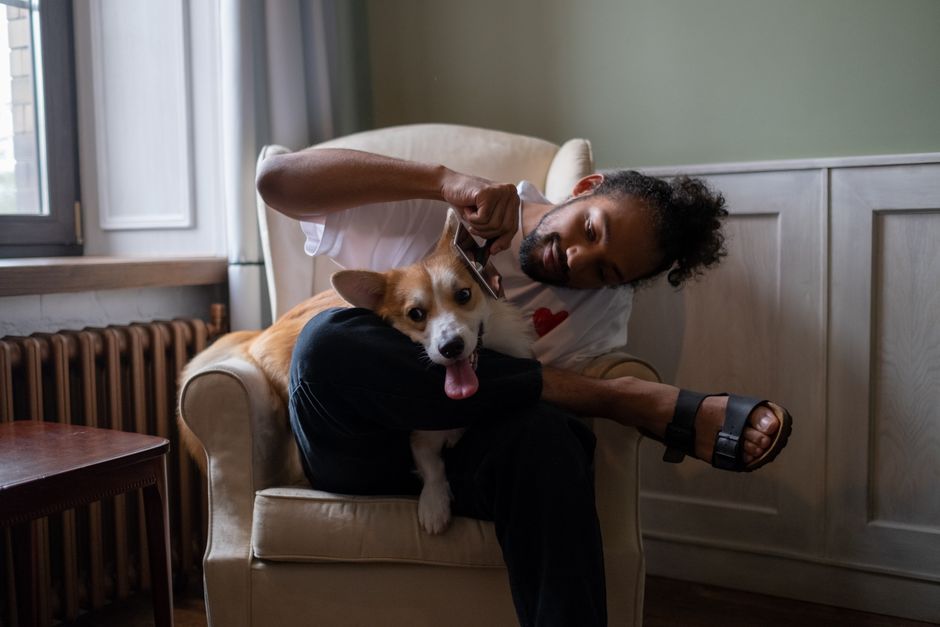
Before beginning a brushing session, it is advisable to inspect the dog’s skin and coat for any wounds, hot spots, or foreign objects. Starting with a clean, dry coat generally yields the best results, as brushing a wet coat can cause matting and discomfort. The owner should choose a quiet, comfortable location and use treats or praise to create a positive association. Begin by gently running a hand over the coat to assess the overall condition and to identify any tangles or mats. If mats are present, they should be approached with care using a detangling spray or conditioner, and then slowly worked apart with fingers or a dematting tool before using a brush.
Brushing should proceed in sections, starting from the back or sides and moving toward the belly and legs. For double-coated and long-haired dogs, it is often effective to part the hair and brush in the direction of hair growth, using short, gentle strokes. With a slicker or pin brush, the owner can work through small areas at a time, ensuring that each section is thoroughly brushed before moving on. For curves and contours, such as the armpits and tail, extra attention is needed because mats tend to form in these areas. The brush should be cleaned periodically during the session to remove collected hair, allowing it to continue grooming efficiently. Once the entire coat has been brushed, a final pass with a wide-tooth comb can help verify that no tangles remain and that the coat lies smoothly.
Managing Shedding and Preventing Matting
Regular brushing plays a role in managing shedding by removing loose hair before it falls onto furniture and floors. However, shedding is influenced by factors such as breed, season, diet, and overall health, and no brushing routine can eliminate it entirely. For double-coated breeds, using an undercoat rake once or twice a week during heavy shedding periods may help reduce the amount of hair shed. For shorter coats, a daily or every-other-day brushing with a grooming mitt or soft bristle brush can capture loose hair effectively. Consistency tends to yield better results than occasional intense grooming sessions, as the coat remains more manageable over time.
Matting occurs when loose hair becomes entangled with healthy hair, often due to friction, moisture, or lack of brushing. Long-haired and curly-coated dogs are especially susceptible, but any dog can develop mats if grooming is neglected. Preventive measures include brushing the entire coat regularly, keeping the dog dry after walks in wet weather, and using a leave-in conditioner or detangling spray to reduce static and tangling. If mats do form, they should be addressed promptly but gently; trying to pull a mat out with force can cause pain and damage the hair. In some cases, professional grooming may be necessary for severe mats, especially near the skin. Owners should monitor their dog’s reaction during grooming and stop if the dog shows signs of distress, as forcing the process can create fear around brushing.
Common Mistakes and How to Avoid Them
One of the most frequent mistakes in home grooming is using the wrong type of brush for the dog’s coat. A brush that is too harsh can irritate the skin, while one that is too soft may not remove enough loose hair. Another common error is brushing too quickly or with excessive pressure, which can cause pulling and discomfort. Owners are encouraged to take their time and to adjust their technique based on the dog’s responses. Brushing only the top layer of the coat and neglecting the undercoat is another oversight, particularly in double-coated breeds where the undercoat can become densely packed and lead to matting.
Skipping regular grooming sessions for extended periods often results in larger mats that are more difficult to remove. Establishing a routine that fits the dog’s individual coat needs helps maintain coat health over time. Additionally, some owners attempt to cut out mats with scissors, which carries a high risk of accidentally cutting the dog’s skin. If scissors are necessary, they should only be used by someone experienced, and it is safer to seek professional help for tightly matted areas. By recognizing these pitfalls and adjusting practices accordingly, owners can create a positive grooming experience that supports their dog’s comfort and coat condition without relying on unrealistic expectations or quick fixes.